The Quiet Lies We’ve Been Told About Nature; 4 myths unravelled.
1) Expensive
Often, nature can become stylised, especially online. The images we see on social media are frequently wrapped in a particular aesthetic, beautiful large countryside homes, winding lanes, baskets filled at farm shops, and slow afternoons that appear effortlessly idyllic. Over time, certain parts of countryside living have begun to carry a kind of cultural identity of their own, where appreciation for nature can appear intertwined with a specific aesthetic or affluent way of life. Of course, there is nothing wrong with enjoying that way of life if you can and want to live it, and who could blame you. But it is not the only way to experience nature, and it certainly should not create a barrier to it. Nature is not something to be chased through material means or specific circumstances, it is something that meets us exactly as we are, asking only that we notice it and care for it in return.
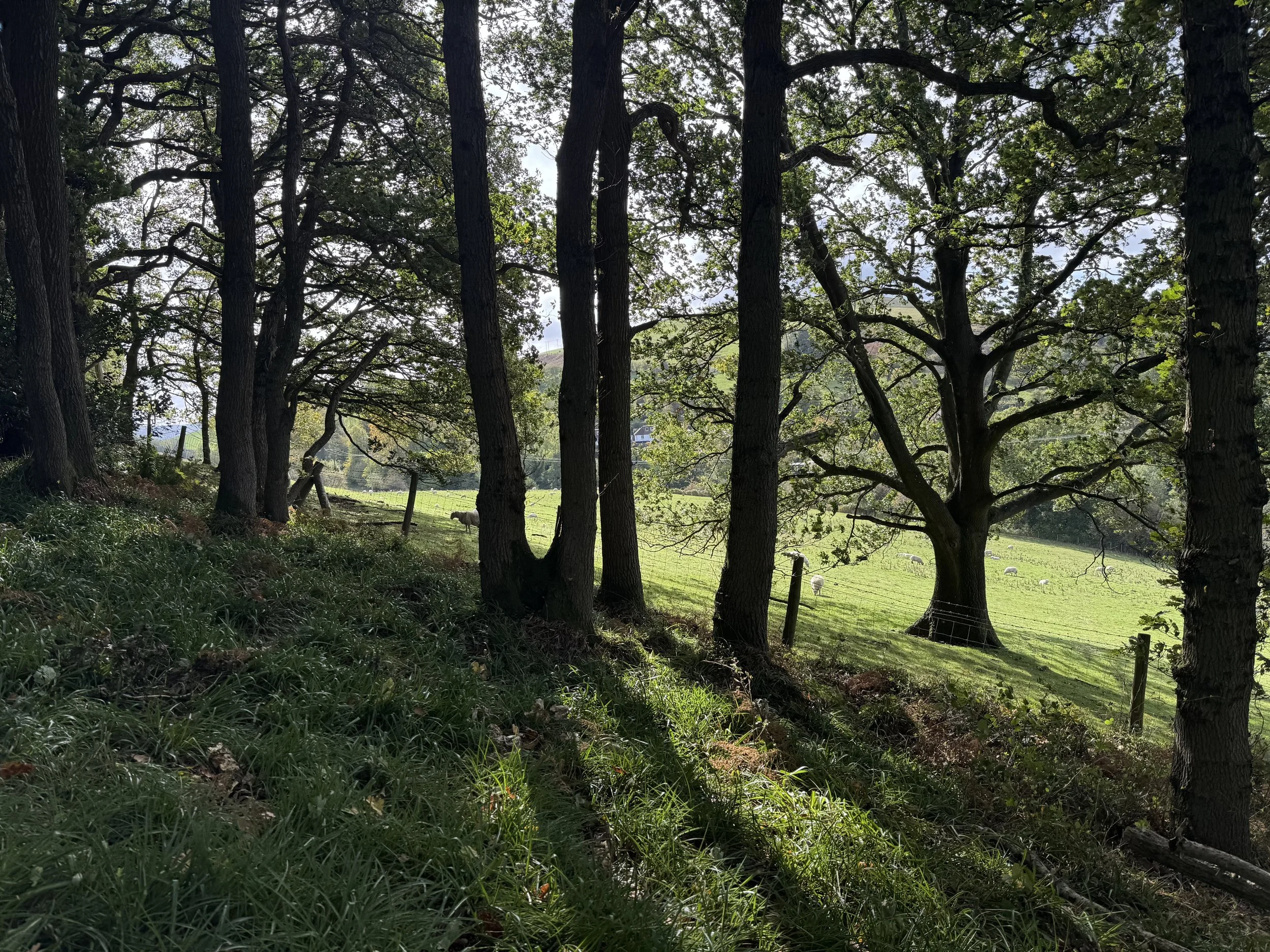
The experience of walking through woodlands surrounded by the soothing raindrops falling on lush leaves, hearing the dawn chorus on waking, or watching light move across open fields does not become more meaningful because of what you are wearing or what you arrived in. My very first car from when I was seventeen still carries me perfectly well down winding country lanes. Or perhaps, even better is using our legs, they cost nothing. Some of the loveliest moments outdoors are often the least curated, comfortable clothes, muddy puddles after rain, cold hands wrapped around a thermos of hot chocolate, and sitting quietly beneath a tree on a moss covered floor, with nowhere particular to be.
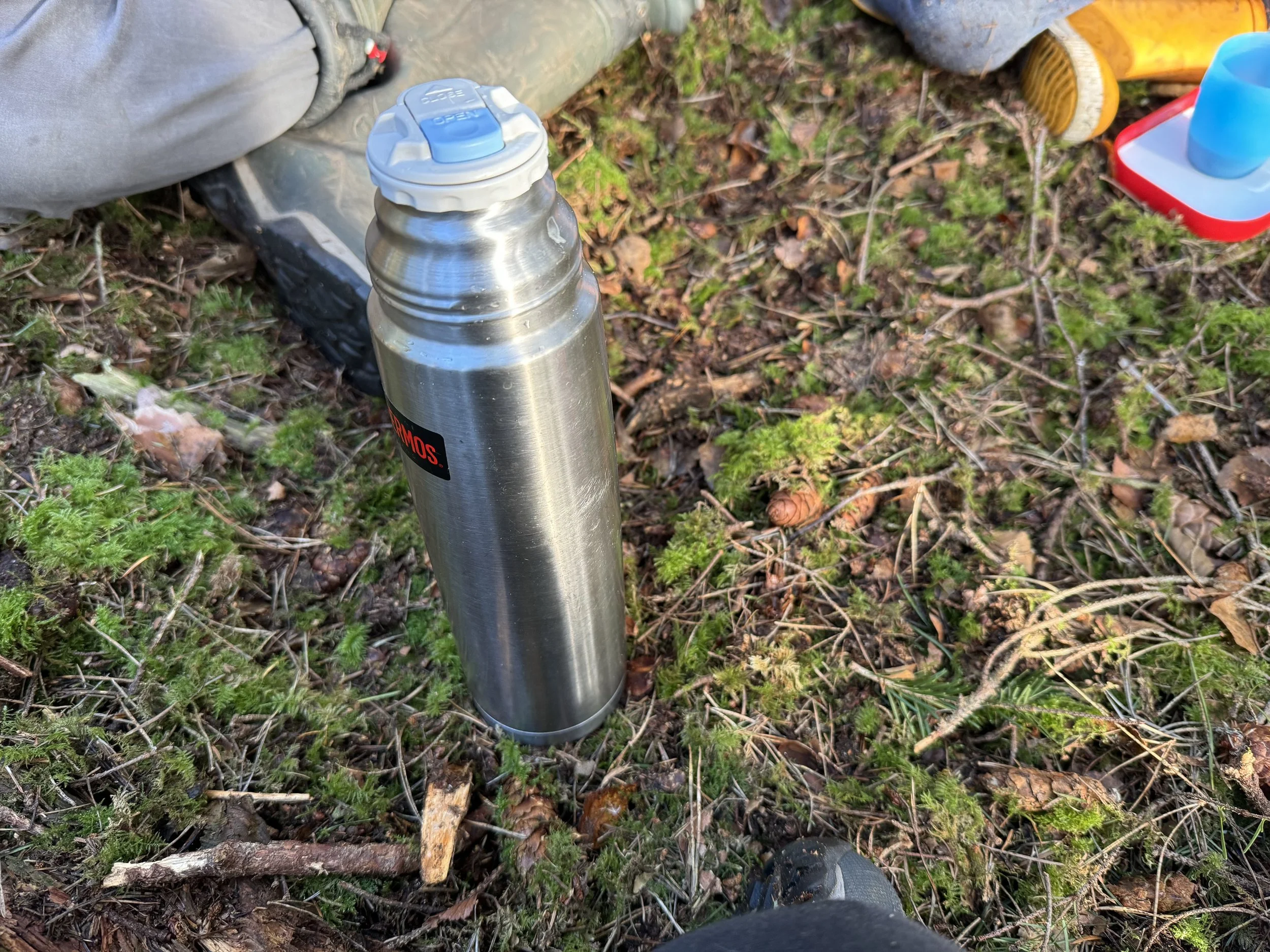
Feeling connected to nature is not dependent on a certain lifestyle or how much money you have, but about your presence. About learning to notice the changing seasons, the scent of rain in the air, or the quiet comfort of familiar walks.
2) Countryside living is a necessity
Nature is often romanticised as something belonging solely to the countryside, as though connection to the natural world can only truly be found amongst rolling hills, ancient woodlands, or quiet coastal paths. Yet this could not be further from the truth. Nature may feel more abundant in rural places but cities and towns still share the same sun, the same moon, the same shifting skies and changing seasons. The natural world continues to move around us wherever we are.
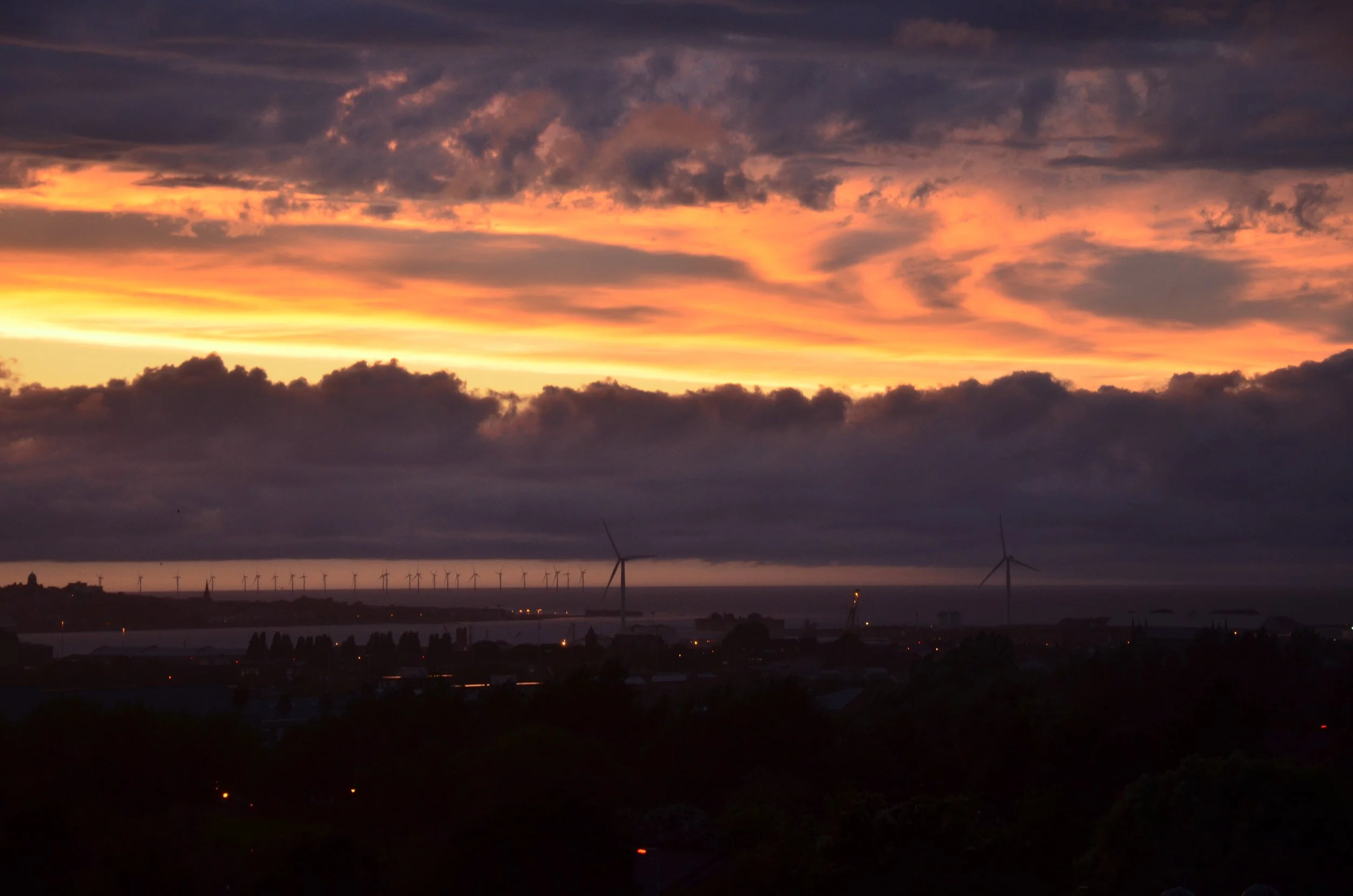
Liverpool
Connecting with nature does not always require vast landscapes or complete solitude. It can be found in the smallest of moments, sitting on a park bench and feeling the breeze caress your face, or watching birds weave effortlessly through the sky during the sunset. These simple acts of noticing are enough to draw us back to ourselves.
Local parks, overlooked footpaths, and small pockets of woodland offer more than we often give them credit for. If you long for something wilder, truly rural landscapes are rarely more than an hour away, close enough for a slow afternoon walk, a quiet reset, and a reminder that the natural world has always been there waiting for us.
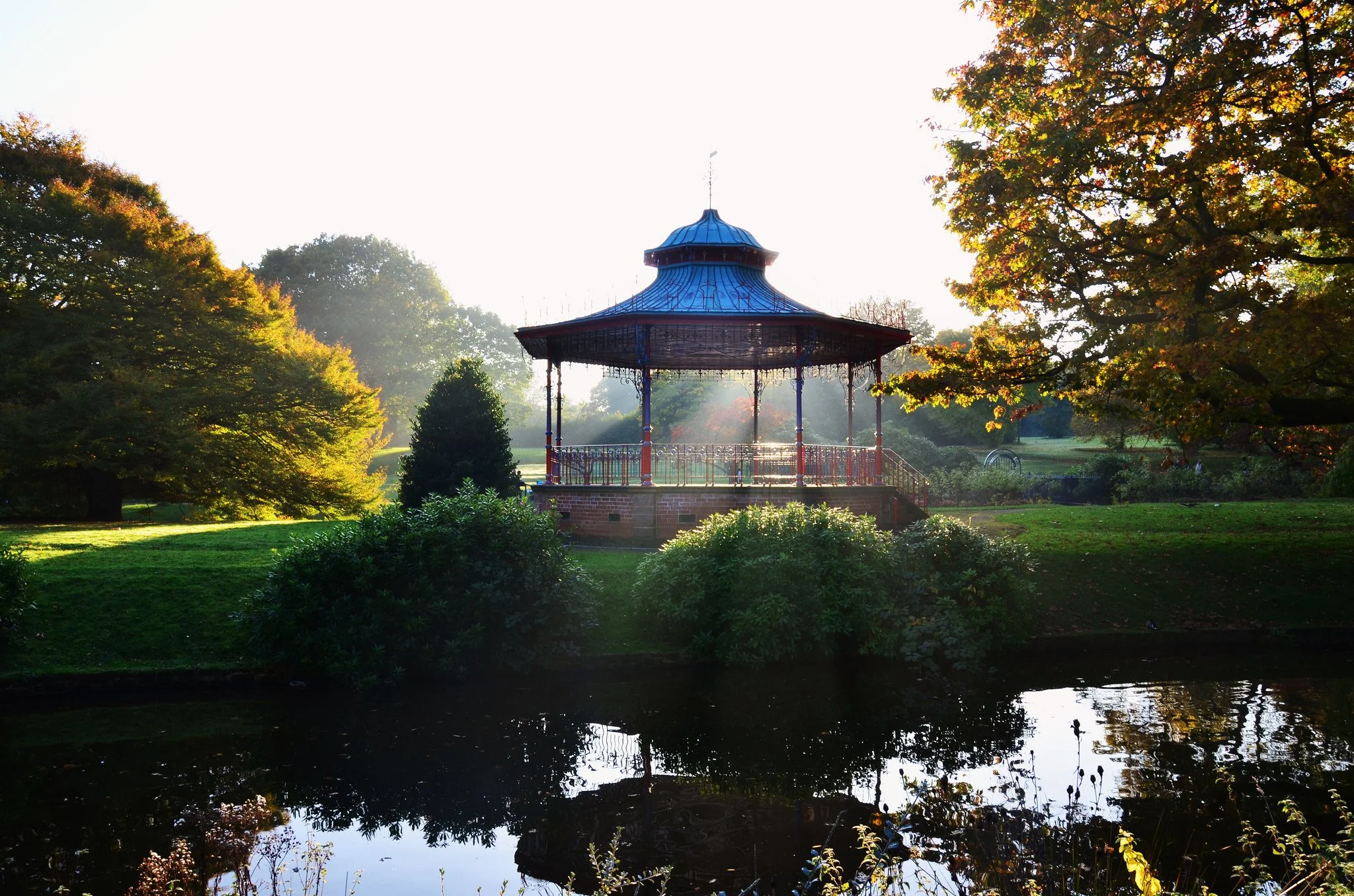
The idea that you have to be in a rural place to have a meaningful relationship with the natural world is a myth, and a harmful one. It lets us off the hook. It says: when I move, when I have a garden, when things are different then I'll connect with nature. Appreciating even the smallest piece of nature whoever you are is enough to bring that connection.
3) You must be outdoors
This might be the most surprising one of all, and if you are not an outdoor person this one is for you. Though, personally I recommend getting outside at least once a day for fresh air, connection to nature does not end at your front door.
Getting out of bed in the morning might be the hardest task of the day, but sitting wrapped up in your duvet watching the sunrise with a hot cup of tea can shift your entire day. It’s a moment, even if brief, to reconnect with not just the natural world but with yourself. Even sitting by an open window to feel the morning air for 2 minutes is a gentle way to bring that awareness into your day.
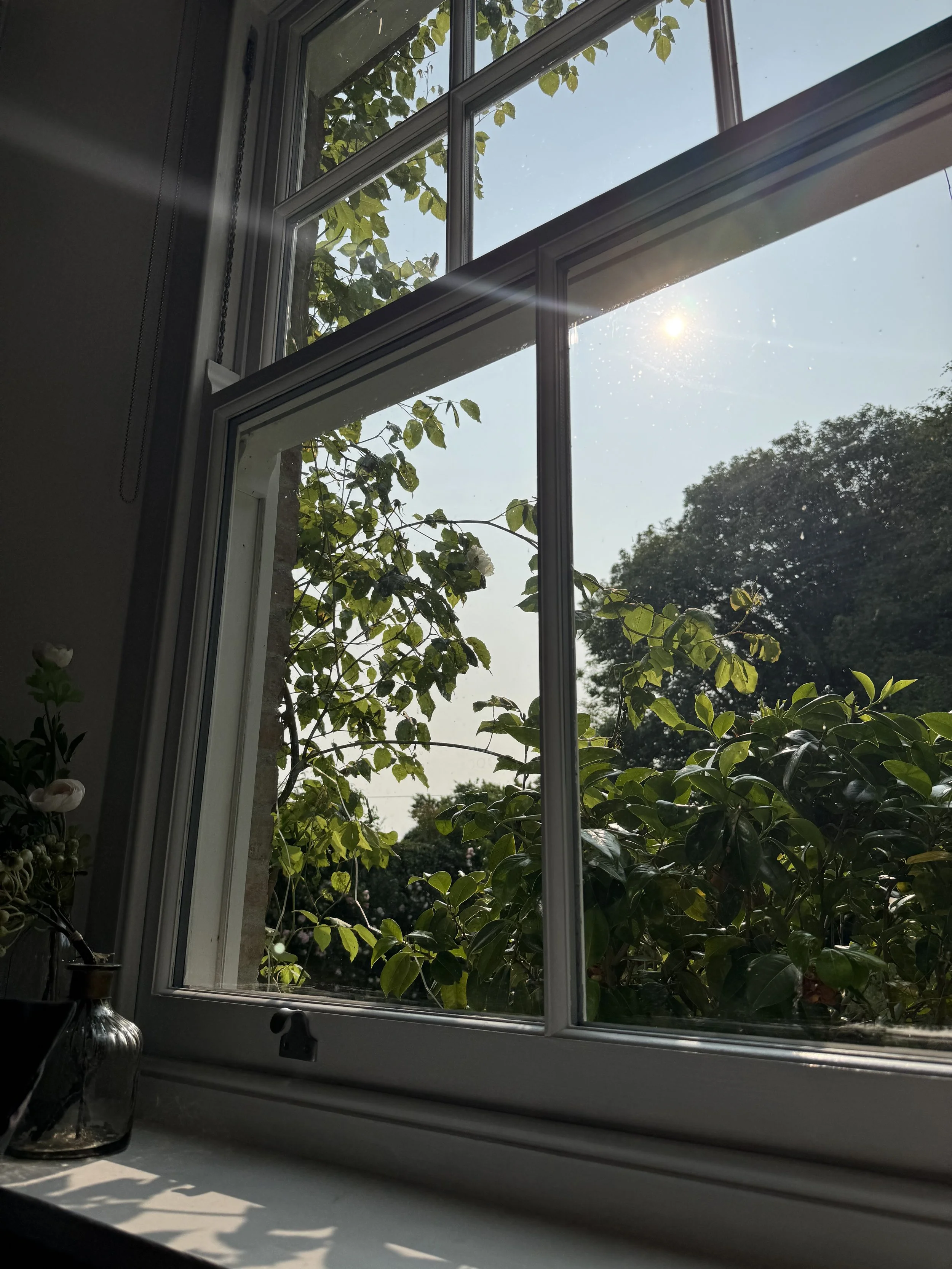
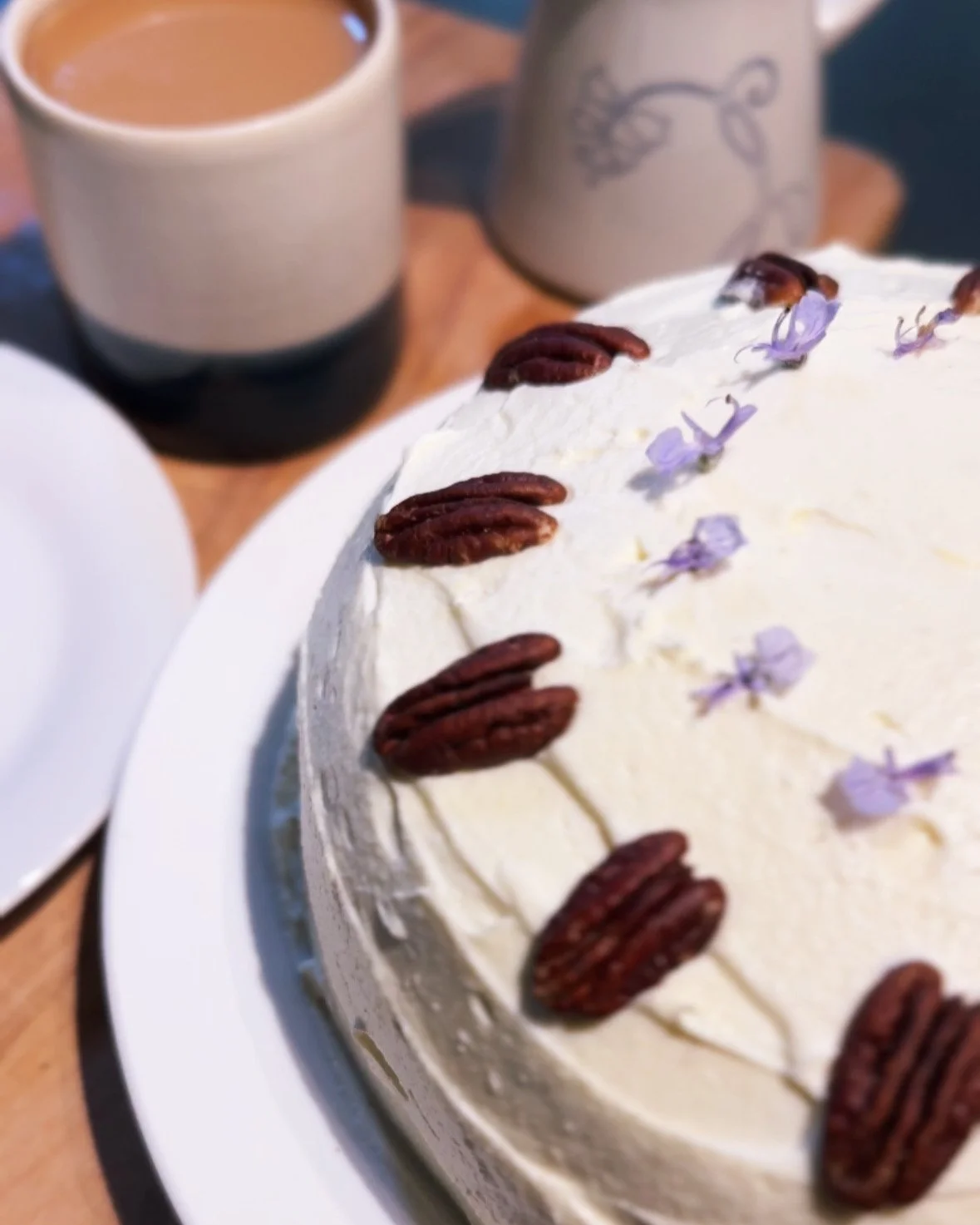
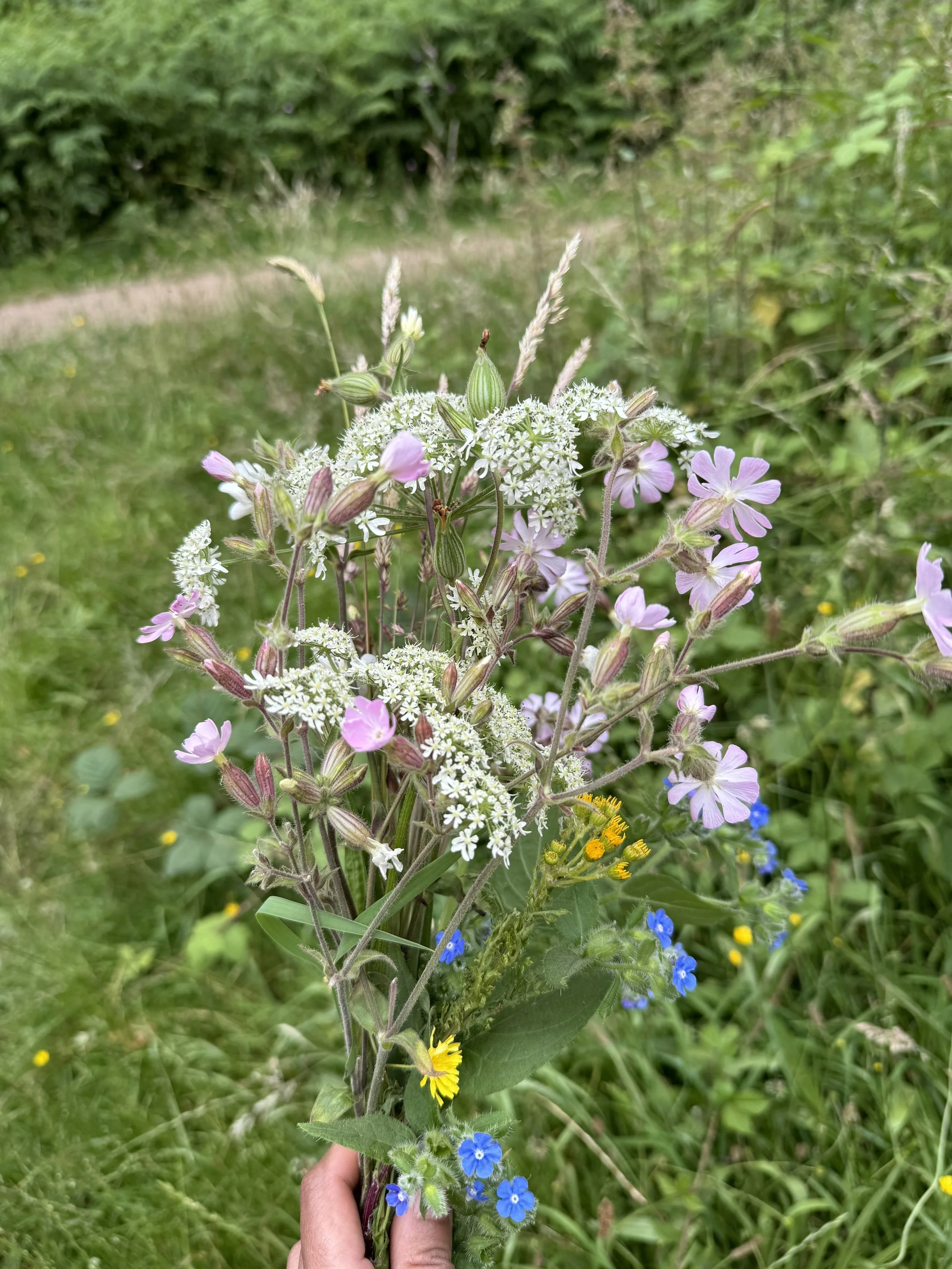
At its core, time in nature has a way of bringing us back into rhythm, sharpening our awareness of the senses, softening our pace, and gently reconnecting us with ourselves in a way that feels instinctive and grounding. In a quieter, more indirect way, slow and intentional activities indoors can mirror that same rhythm, gently cultivating the kind of awareness that keeps us connected to the natural world, even when we are not in it. Even something as simple as taking the time to bake can hold this feeling, being present in the slow moments. You could use ingredients foraged from hedgerows or ingredients from local farmer as a way of staying connected to the seasons and how the changes affect us. In the same way painting or crafting something inspired by nature is also a great way of keeping that connection by creating a reminder of nature in your home.
So yes, crafting or baking a cake (and eating it because we don’t like waste of course) is absolutely essential to life.
4) 12 hours knee deep in mud
Nature does not require a minimum time spend, which makes it a beautiful contrast to the day to day demands of work and hectic routines of life. How often do we say to ourselves “I haven’t got the time today”? Fitting in the daily essentials is hard enough, especially if you're running after young ones most of the time. The end of a day can be so exhausting that lying down is far more inviting. Finding the time for a long walk or a few hours pottering around the garden means spending energy you can’t spare.
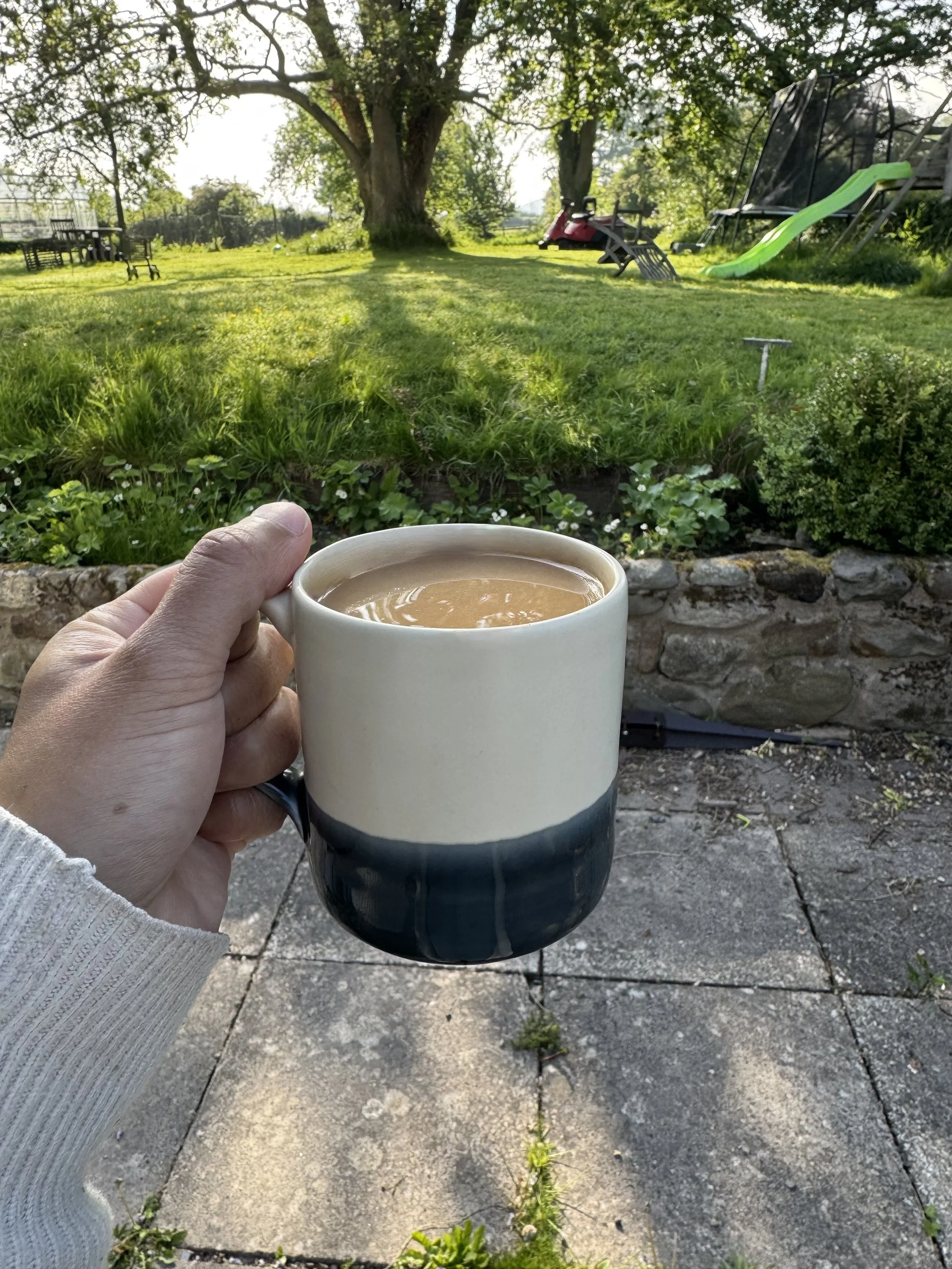
Sometimes five minutes is all you need. No pressure, no expectation. Five minutes with a hot drink outside, bare feet on morning dew covered grass. A quick walk to the shop, a moment gathering herbs from your garden for dinner or gazing at the stars before bed. Thats all it takes. Nature is there waiting for you for whenever and however long you need.
There are no rules or right way to live or experience nature and the natural world. It is about letting go of the idea that it belongs only to certain places, conditions, or amounts of time. Nature is for all and is there for the way in which you seek it. The natural world asks for nothing from us but to be attentive and to care for it.
With warmth
Halimah